
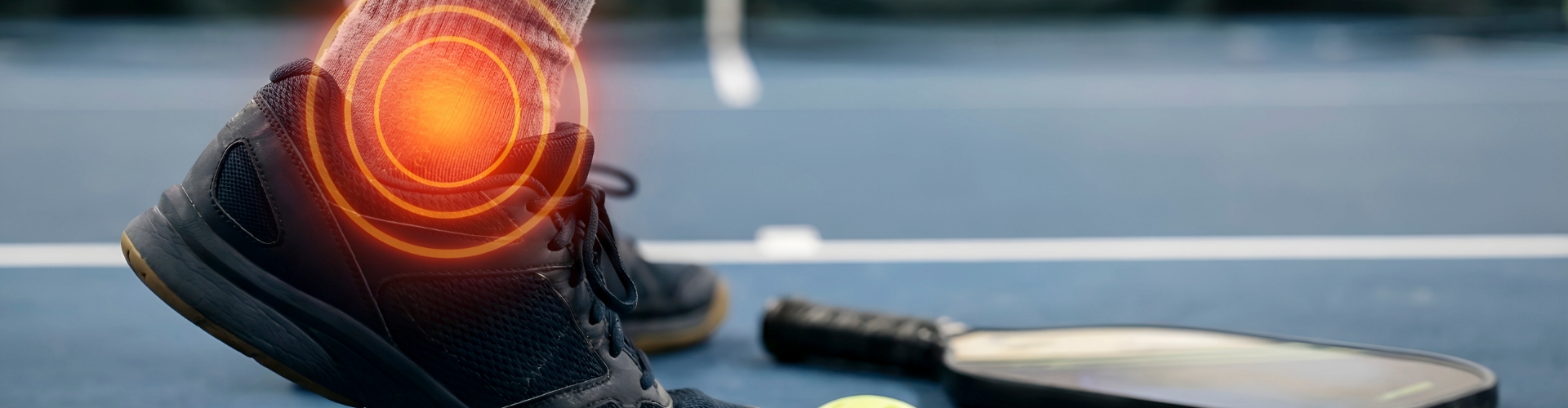
Pickleball Injuries: Move Better, Recover Faster, and Get Back on the Court
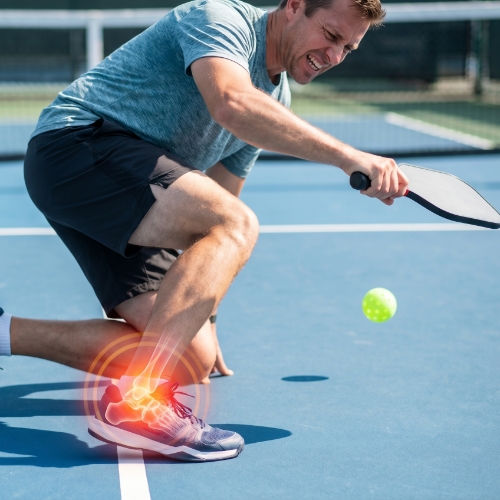
Pickleball is one of the fastest-growing sports for a reason. It is fun, social, and a great way to stay active at any age. But the quick movements, sudden pivots, and repetitive swings can place stress on your muscles and joints, leading to pain and injury.
At Physio For Life, we help pickleball players in Vancouver recover from injuries, improve their movement, and return to the game with greater confidence. Whether you are dealing with shoulder pain, tennis elbow, knee discomfort, or a pulled muscle, our team is here to help you find a long-term solution.
Common Pickleball Injuries We Treat
Pickleball involves rapid starts and stops, side-to-side movement, overhead motions, and repetitive gripping. These demands can lead to a variety of injuries, including:
- Tennis elbow (lateral epicondylitis)
- Golfer’s elbow (medial epicondylitis)
- Rotator cuff injuries
- Shoulder impingement
- Wrist sprains and tendonitis
- Low back pain
- Hip strains
- Knee pain
- Meniscus injuries
- Patellar tendonitis
- Calf strains
- Achilles tendonitis
- Ankle sprains
- Plantar fasciitis
Whether your pain developed suddenly or has been building over time, our team can identify the root cause and help you recover safely.
Why Pickleball Injuries Happen
Many injuries occur when the body is out of alignment, muscle imbalances develop, or movement patterns become inefficient. Tight muscles, poor balance, weakness, and overuse can all increase your risk of injury.
Common contributing factors include:
- Limited flexibility
- Weak core and hip muscles
- Poor shoulder mechanics
- Reduced balance and coordination
- Improper warm-up
- Returning to play too quickly after a sports injury
At Physio For Life, we look beyond the painful area to understand how your entire body is moving. By restoring alignment, balance, and stability, we help you achieve lasting results.
Our Whole-Body Approach to Pickleball Injury Treatment
We believe the best results come from treating the source of the problem rather than simply masking symptoms. Your treatment plan is designed around your specific injury, goals, and movement needs.
Comprehensive Evaluation
Your first visit includes a detailed assessment of:
- Posture and alignment
- Joint mobility
- Strength and flexibility
- Balance and coordination
- Swing mechanics and movement patterns
This allows us to pinpoint what is contributing to your pain and build a personalized plan for recovery.
Hands-On Therapy
Our therapists use manual therapy techniques to:
- Reduce pain and inflammation
- Improve joint mobility
- Release muscle tightness
- Restore healthy movement
Targeted Therapeutic Exercise
We prescribe specific exercises to:
- Build strength and endurance
- Improve flexibility
- Enhance core stability
- Restore balance
- Prevent reinjury
Movement and Technique Training
We teach you how to move more efficiently on the court, helping you generate power while reducing unnecessary stress on your body.
Injury Prevention Strategies
You will also receive guidance on:
- Warm-up and recovery routines
- Stretching and mobility exercises
- Proper footwear and equipment considerations
- Safe return-to-play progression
What Makes Physio For Life Different?
At Physio For Life, we provide one-on-one care focused on your goals. Whether your goal is to play competitively, enjoy recreational matches, or stay active with friends, we are committed to helping you succeed.
Our therapists focus on:
- Identifying the root cause of pain
- Restoring alignment and balance
- Improving movement efficiency
- Building strength and resilience
- Helping you avoid future injuries
We want you to feel stronger, move better, and enjoy pickleball without fear of pain holding you back.
Benefits of Physiotherapy for Pickleball Injuries
Physiotherapy can help you:
- Relieve pain naturally
- Recover without unnecessary medications
- Improve strength and flexibility
- Enhance balance and coordination
- Return to pickleball safely
- Reduce your risk of reinjury
- Improve your overall performance
Our success is measured by your ability to return to the activities you love with confidence.
When Should You See a Physiotherapist?
It is a good idea to seek treatment if you are experiencing:
- Pain during or after playing
- Persistent stiffness or soreness
- Swelling
- Weakness
- Limited range of motion
- Difficulty gripping the paddle
- Fear of returning to the court
Early treatment can help prevent a minor issue from becoming a more serious injury.
Your Next Steps…
Request An Appointment
Receive A Custom Treatment Plan
Work Hard and Progress In Your Recovery
Recover & Enjoy Life Pain-Free!