
Knee Pain Relief
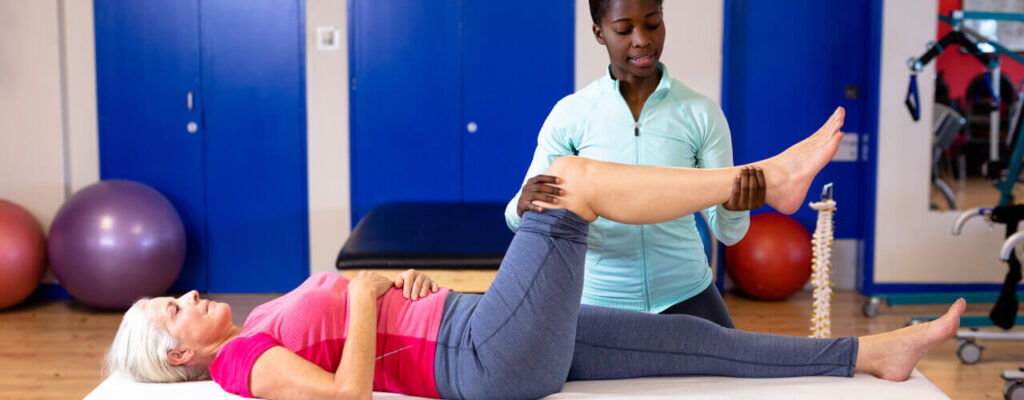
The knee is a hinge joint made up by the thigh bone (the femur) connecting with the leg bone (the tibia) with the kneecap or patella sitting in front of the joint. When the knee bends and straightens, normally there is a little rotation between the long bones, and the patella slides up and down in its groove.
The knee is located between the hip and ankle /foot. When the hip and or foot/ankle has a dysfunction, you can say that the knee is caught between a rock and a hard place. This is because the hip and foot (along with other parts of the body) determine the alignment of the knee.
If the long bones come together in a relatively straight line, then there is generally more even stress on the knee joint surfaces. But if the bones are angled, it can put more load on either the inner or outer knee joint surface. The knee joint surfaces are covered by cartilage, that with excessive loading, can get worn out at an accelerated rate.
The bones are angled in situations such as knee hyperextension, bowlegs or knock knees. These might be inherited traits, a result of hypermobility (ligament laxity), trauma or postural dysfunctions associated with muscle imbalance, tightness and weakness.
Besides postural dysfunctions, trauma to the knees commonly leads to knee pain such as:
- falling directly on the knees or hitting the dashboard with the knees in a car accident
- partial or complete tears of any of the knee ligaments and meniscus (shock absorbing fibrocartilages sandwiched in the knee joint) that can occur during skiing or contact sports.
Overuse of muscles around the knee from running, cycling, sports involving jumping and landing can occur during explosive and/or repetitive knee motion. Injury is more likely, especially if there are malalignment, faulty movement patterns, and muscle imbalances present. Trauma and dysfunction in any part of the body can affect the knees.
When there is swelling and scar tissue present in the knees, it is important to relieve and release this using massage. Without first relieving this, stretching and exercise can become painful, leading to further muscle inhibition and a vicious cycle of pain. Starting with massage will help reduce pain, facilitate healing, and increase knee mobility.
Once swelling and pain are greatly reduced, stretching, strengthening and alignment work can begin. Part of aligning is correcting muscle imbalances, that is releasing tight muscles and activating weak ones. Movement and alignment training are crucial to rehabilitating the knee. This may involve the entire body from head to toe.
The patient practices basic standing, squats, walking, single leg balance, and progressively more difficult tasks with the correct body mechanics. For a good outcome, the treatment must be customized and holistic.
After knee replacement surgery, swelling, scarring and limited knee mobility are a common aftermath. It takes time and patience to reduce the swelling, release scar tissue, increase strength and knee range of motion without causing too much pain. This must be done with sensitivity to the patient’s pain threshold and requires skill to make incremental gains.
At Physio for Life, we do not believe in causing the patient a lot of pain to make gains.
There are many success stories that come with rehabilitating knees. Most people with knee pain who come to Physio for Life learn how to manage and relieve the pain successfully both with our help and on their own.
Schedule an appointment with our physiotherapist to learn more today!