Pain Caused by Soft Tissue Restrictions

The musculoskeletal pain experienced by most people come from soft tissues such as:
Muscles – that move bones, they are elastic, fibrous and rich in blood and energy-giving cells
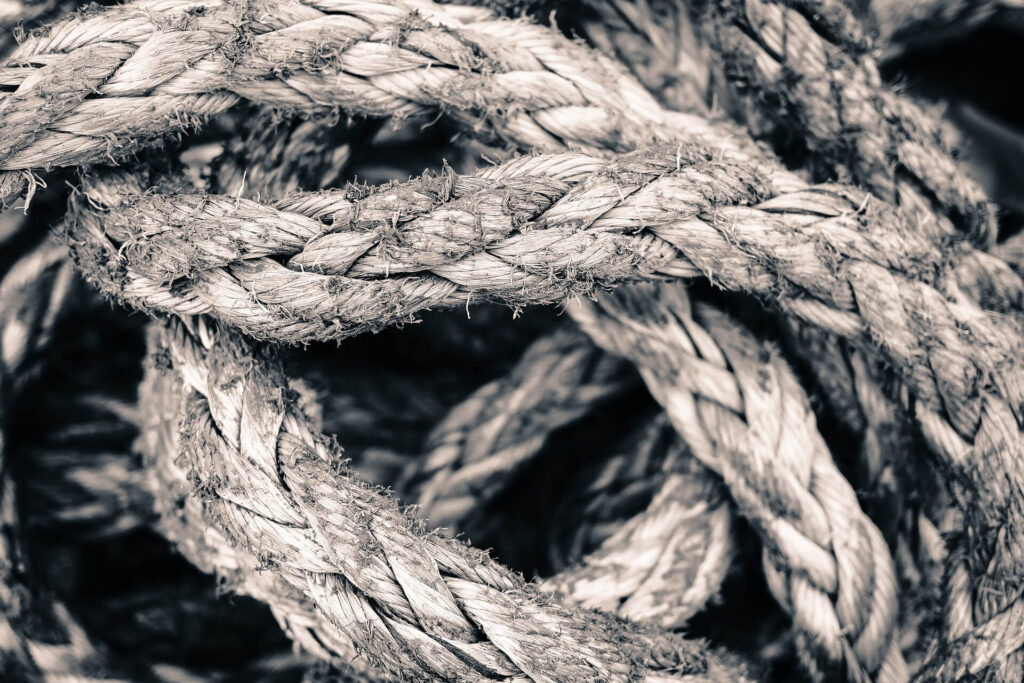
Tendons – attach muscles to bone and act like the rope to a sail
Ligaments – give stability by connecting bone to bone at a joint, they prevent joints from dislocating
Cartilage – lines joint surfaces to reduce friction and protect the bone from direct contact with another bone
Fascia – connective tissue that lines every muscle, tendon, bone, organ in the body, it envelopes,
protects, reduces shock and friction as these tissues and organs move against each other
Dura – covers and protects the brain, spinal cord and nerves, also smooth gliding and sliding
Bursa – fluid filled sacs that prevent friction and rubbing normally between a tendon and bone
Restrictions occur after trauma (macro and micro) due to overuse, falls, accidents and impact. The fibres can break apart, but when healing occurs, they often come together in a knot. The swelling that occurs after injury also cause the fibres to stick rather than glide smoothly. Restrictions become tight and lose their elastic flexibility. They change the course of bones and joints as well as increase joint compression, predisposing to arthritis and degeneration.
Releasing restrictions depends on the tissue involved and orientation of the fibres. Specific techniques are needed to release the particular restriction causing the dysfunction and symptoms. For example, muscle knots can be kneaded, lengthened with long strokes as well as short deep friction massage. Fascia is released through finely tuned but very specific fascial release techniques. Ligaments and capsules that are deep cannot be reached but can be lengthened by stretching (being careful not to overstretch them) Cartilage cannot be manipulated but it is important to release tight structures around it to allow the joint to have space and prevent excessive loading on the cartilage.