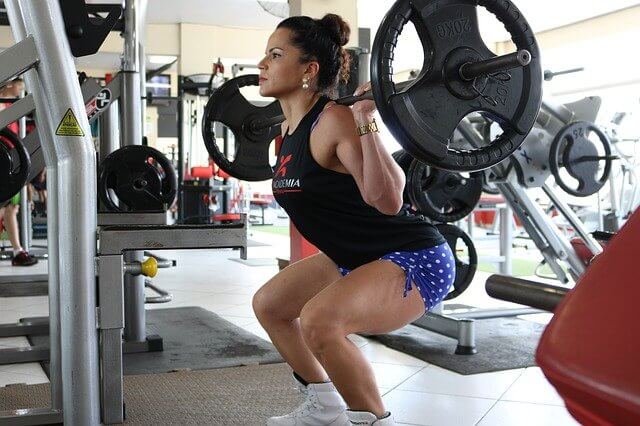
3- Step Plan for Pain Relief

In this blog, I help you understand the process of uncovering the root causes of your symptoms and finding ways to provide long-term relief.
Step 1 – ALIGN
Discover the root cause(s) of your particular problem.
The root cause is related to habitual postures, placement of regularly used objects and very often has its origin in the earliest significant injury in your life, especially if this was not fully treated. For example, commonly looking at a monitor or TV screen placed to one side, or having the arms forward while typing or using the mouse are common root causes of neck or shoulder pain.
If you had a knee injury from skiing at age 20, and if little or no rehabilitation was done, you would have compensated for this by standing and walking differently, until some other part of your body such as your back or hip might start hurting months or years later.
The root cause or driver of the problem, when corrected, makes the biggest impact on the body, giving a global feeling of being more centred, stable, moving with ease and experiencing a reduction in symptoms. The root is the start of a kinetic chain that ends with the symptomatic victim. A change in the victim (symptomatic relief) will not change the other areas in the chain, but the root, when corrected, will untwist the kinks in the kinetic chain and iron all the other areas out.
Step 2 – BALANCE
Correct the driver by releasing specific restrictions and balancing forces around it
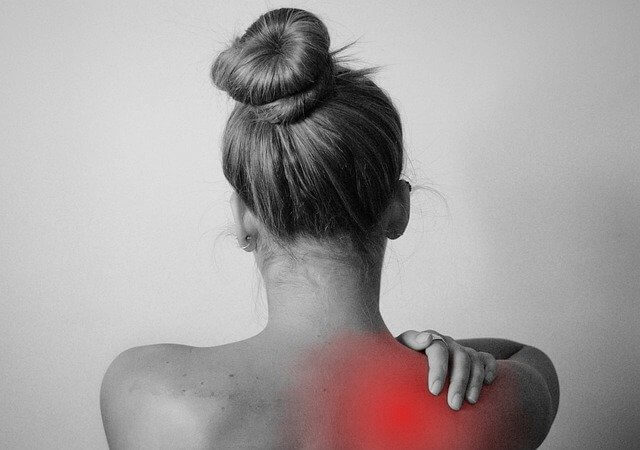
The driver may be experiencing mal-alignment because of excessive load or imbalance of forces being exerted on it. When tissues are injured, they contract and shorten as they heal. When tissues that span a joint are shortened, they pull the joint surfaces closer together leading to compression and excessive grinding, wear and tear. An imbalance occurs when some tissues around the joint are short, while others are too long, leading to uneven loading and lack of centred movement of the joint surfaces.
Tissue shortening should be addressed with specific techniques to release the areas that will give biggest bang for buck. There are techniques for different types of tissues – muscles, tendons, ligaments, connective tissue, nerves. Once released, the short tissues will lengthen and the long tissues can start to shorten; muscles can be activated to stabilize and move the area with the correct patterns. This releases a lot of tension and can give enormous relief. The body can now be trained to assume the correct alignment and move correctly.
Step 3 – CENTRE
Now that the person is educated on the correct ways to release, align, balance and move correctly, he or she can incorporate this into daily life. Ensuring an optimal workstation and home set up, and placing regularly used objects within easy reach will make a difference. If the shoulder is the driver, learn to align and centre the shoulder while at the computer, reaching for the coffee mug, opening a door, walking down the street, lifting a pet or child, carrying heavy groceries, working out at the gym. Make this a daily habit so that the body recognizes this as the new normal. Start with simple daily postures and movements and progress into more challenging ones with gradually increasing loads. PRACTICE, PRACTICE, PRACTICE.