
Exploring the Link Between Vestibular Disorders and Balance Issues
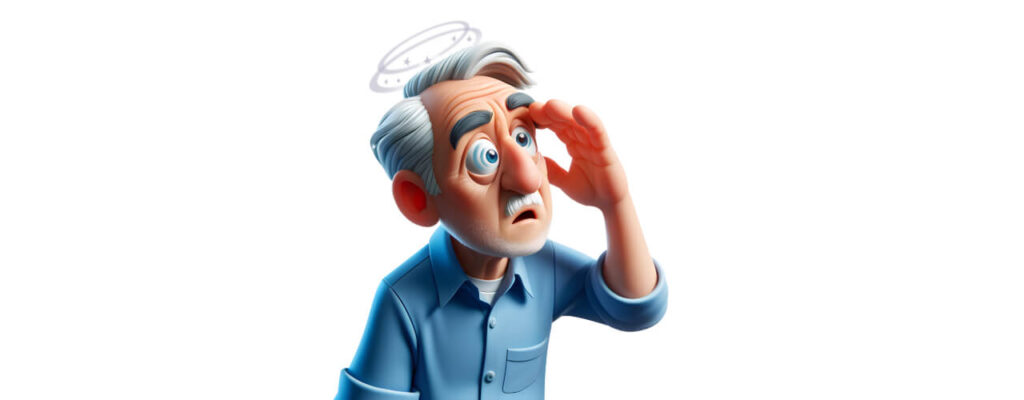
Most of us take our balance for granted–at least until it’s disrupted. Balance challenges can profoundly impact your quality of life, including increasing your fall risk (and your risk of fall-related injuries). To address these issues, you need to identify what’s at the root of them. For many people, vestibular disorders and balance challenges go hand in hand.
At Physio For Life, we have extensive experience helping people manage vestibular disorders. But what exactly are they? How do they impact balance? This blog will explore those questions in detail, and if you have any additional questions, don’t hesitate to contact our West End Vancouver, BC, and Downtown Vancouver, BC) clinic!
Understanding the Vestibular System: Your Body’s Balance Center
The vestibular system plays a critical role in helping you maintain balance and spatial awareness. It detects head movements and sends signals to the brain about your position in space. These signals help coordinate eye movement, posture, and stability.
Your vestibular system consists of two main parts: the central vestibular system (located in your cerebellum) and the peripheral vestibular system (located in your inner ear). Most vestibular disorders stem from issues with the peripheral vestibular system.
When the vestibular system is functioning well, you hardly notice it. But when something goes wrong, it can lead to dizziness, vertigo, and falls.
How Vestibular Disorders Affect Balance
The connection between vestibular disorders and balance issues lies in the disruption of signals between the inner ear and the brain. When these signals are impaired, your body may struggle to stay upright and respond to movement.
Vestibular Symptoms to Watch Out For
- Difficulty maintaining posture or walking without stumbling.
- Feelings of dizziness or lightheadedness
- Vertigo, a particular type of dizziness that causes a spinning sensation
- Loss of balance that increases your risk of falling
Over time, these symptoms can affect confidence, limiting mobility and daily activities.
Common Vestibular Disorders and Their Impact
Benign Paroxysmal Positional Vertigo (BPPV)
- This is one of the most common causes of vertigo. It occurs when small calcium particles in the inner ear become dislodged, causing brief episodes of vertigo with certain head movements.
Meniere’s Disease
- This chronic condition is characterized by vertigo, hearing loss, and a feeling of fullness in the ear.
Vestibular Neuritis
- This is an inflammation of the vestibular nerve that leads to severe vertigo and balance difficulties.
Labyrinthitis
- This is an inflammation of the inner ear, often causing hearing loss and vertigo.
How Physiotherapy Can Help with Vestibular Disorders and Balance
Physiotherapy offers a highly effective approach to managing vestibular disorders and improving balance. We’ll work with you to create a tailored program that addresses the root cause of your symptoms and helps restore stability.
Key Physiotherapy Techniques for Addressing Balance Concerns
Vestibular Rehabilitation Therapy
- This specialized form of therapy includes various exercises that retrain your brain to adapt to balance changes.
Balance Training
- Activities to improve strength, coordination, and postural control.
Lifestyle Tips
- Guidance on lifestyle changes and strategies to reduce dizziness triggers
Start Addressing Your Balance Concerns
If you’re struggling with dizziness, vertigo, or a fear of falling, you don’t have to navigate it alone. Vestibular disorders and balance issues can significantly impact your quality of life, but a personalized care program from Physio For Life can help make a difference.
Schedule an initial assessment with our team today!